Trump called it over. Markets haven't.
On Polymarket: Will the U.S. invade Iran before 2027? ↗Trump has publicly declared the Iran conflict finished and claimed victory — making a formal invasion before 2027 a political near-impossibility, regardless of what's still moving in the Persian Gulf.
Current view — April 15
The president has said the words. In a clip shared ahead of a Fox News interview, Donald Trump was asked directly whether the conflict with Iran was over — and he answered, simply, that it was.
In the clip, she says she repeatedly asked Trump, Mr. President you refer to war as was, is it over? and Trump responds: It is…
That moment matters more than any hardware currently in the Persian Gulf. Political declarations of victory are not easily reversed. An administration that has told the American public it won a war cannot, within months, turn around and launch a ground invasion of the country it just claimed to have beaten — not without a narrative catastrophe that would dwarf the original conflict. The ceiling this creates on further escalation is structural, not incidental, and it is the single most important fact on the board right now.
The bull case for invasion exists, and we take it seriously enough to engage it directly. There are observers tracking C-17 movements, inbound Amphibious Ready Groups, and the geometry of Persian Gulf island chains. The scenario being assembled — a seizure of Kharg or a constellation of smaller islands — represents real force-posturing and the kind of OSINT picture that genuinely moves markets.
But posturing is not invasion, and an island operation is not an occupation of Iran. The market question asks about an invasion, not a limited maritime maneuver designed to generate leverage at a negotiating table. What even the most aggressive OSINT reading describes is a pressure tactic, and that distinction is load-bearing. The practical problem compounds it: sustaining a Marine presence on an island sixteen miles off the Iranian coast, within range of the rocket systems Iran has spent decades developing and stockpiling, is not a plan — it is an exposure.
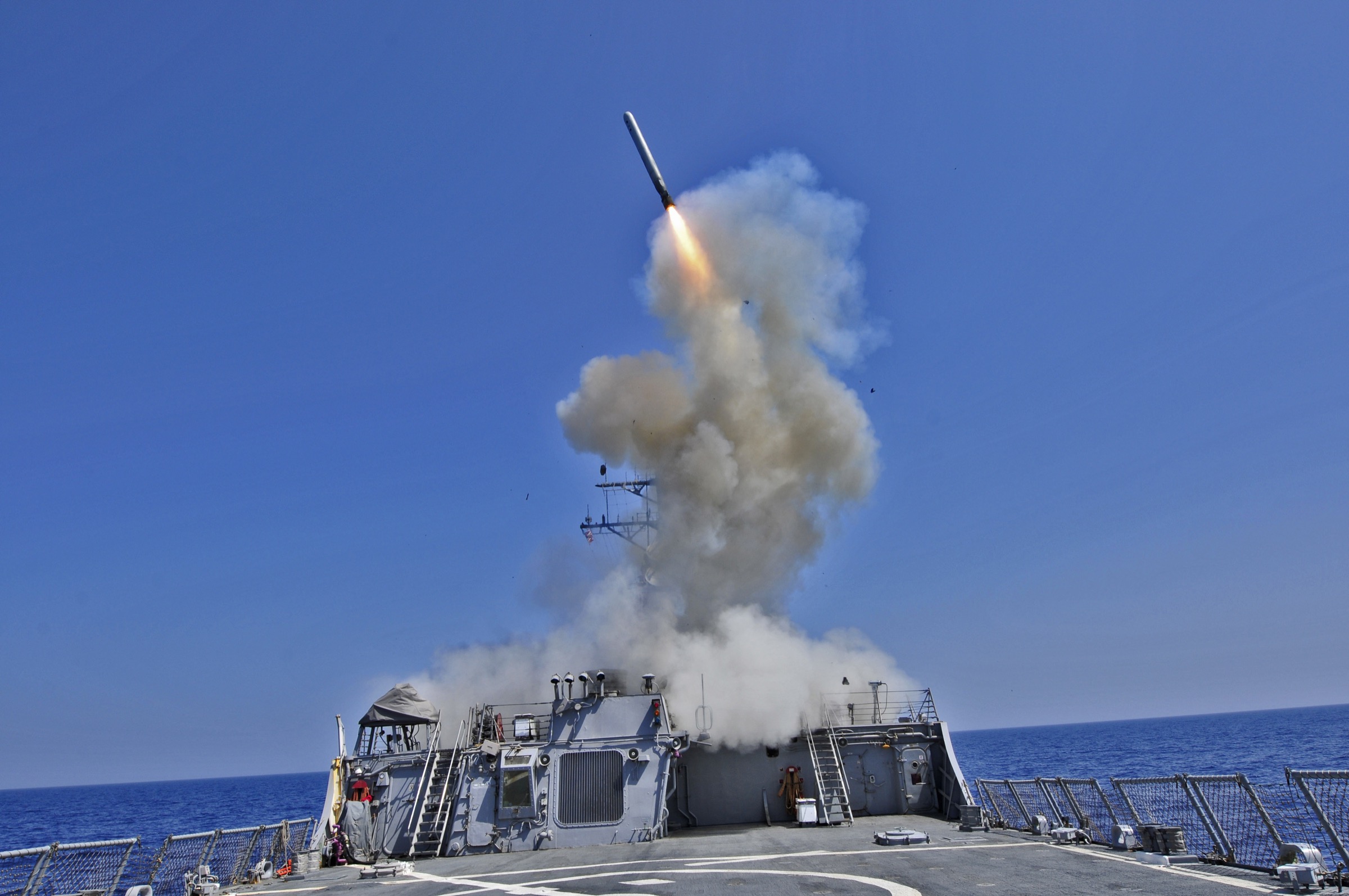
The harder argument for YES rests on the gap between Trump's rhetoric and his actual orders. Will Schryver has correctly flagged that another carrier strike group is heading toward the region even as the president declares peace, and that a blockade — already in effect by some readings — is legally an act of war regardless of what anyone calls it.
Speaking of the Iran War, Trump says, "It's over."
Meanwhile, another carrier strike group is on its way, and a steady stream of C-17s is flying between the US and the Middle East.
And, of course, a blockade is an act of war, as is piracy. pic.twitter.com/bomeZFa72A
We don't dismiss that tension. But a carrier group is the standard instrument of American post-conflict deterrence, not the vanguard of a ground campaign. The C-17s and the destroyers are consistent with a posture of "we won, don't test us" — the exact posture a president needs to maintain after claiming victory. With roughly eight months left on this market's clock and no visible political coalition inside the administration pushing for a sequenced ground war, the gap between "assets in theater" and "invasion" remains enormous.
The island seizure scenario, and the broader theory that the United States is one compliant general away from boots on Iranian soil, is a hypothesis about intent rather than evidence of a plan.