Warsh's Fed Chair Seat Is Already Reserved
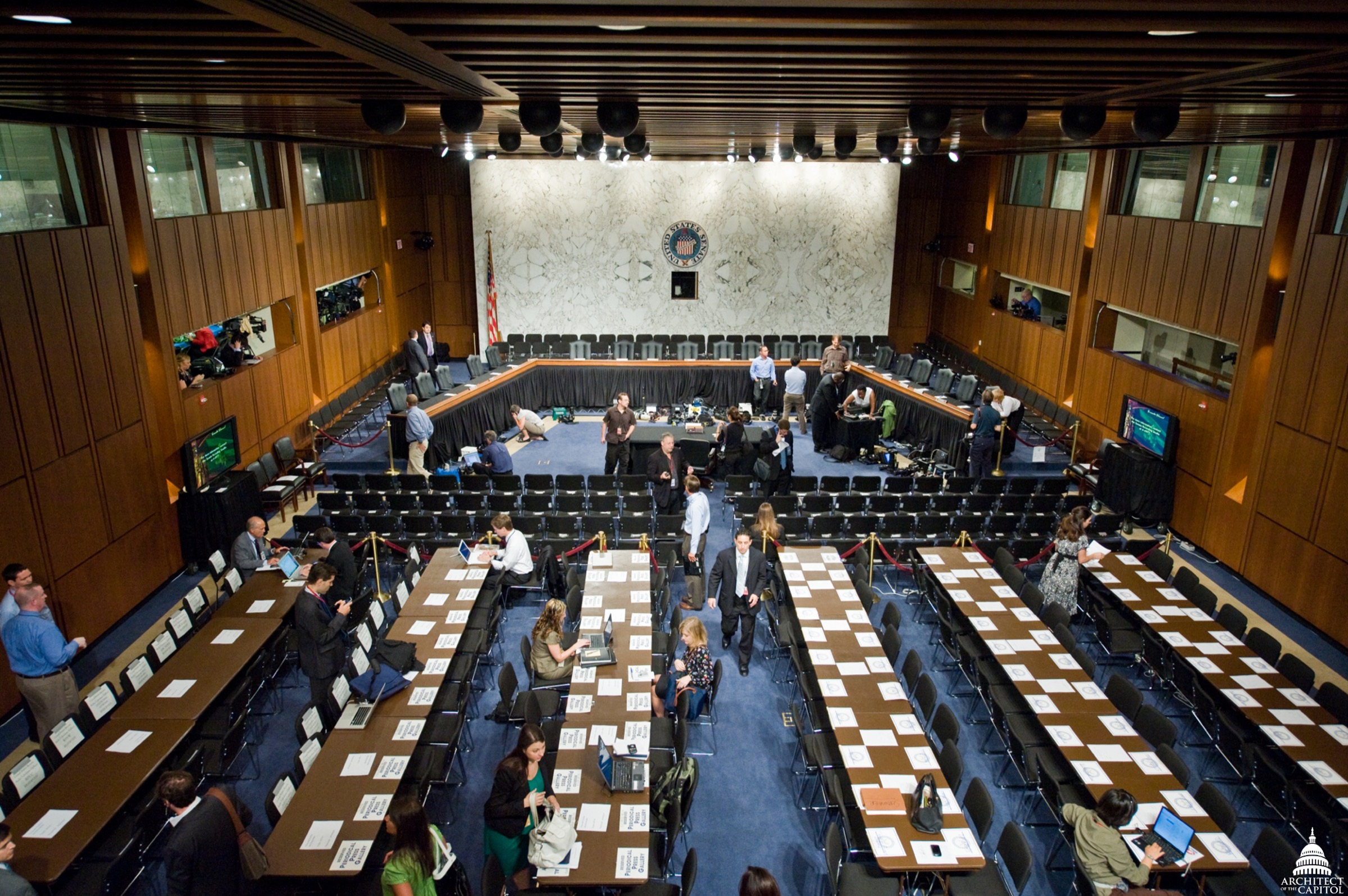
On Polymarket: Who will be confirmed as Fed Chair? ↗With a Senate panel hearing locked in for April 21 and Powell's chair term expiring in May, the Warsh confirmation train has left the station and the opposition has no brake.
Current view — April 15
The procedural calendar tells the story with unusual clarity. Reuters reported Tuesday that the Senate Banking Committee has scheduled Warsh's confirmation hearing for April 21 — six days from now. That single fact carries more weight than all the cable commentary combined. Nominations that reach a scheduled hearing almost never die in committee; the institutional machinery has committed, and the White House has the votes it needs to keep it moving.
The paperwork trail confirms nothing is stalled. Warsh was nominated January 30, his disclosure documents landed at the Senate on February 24, and his full financial disclosure — a sprawling portfolio that includes stakes in Polymarket, Ethereum development platform Tenderly, and a Latin American crypto app — has already been filed and published. A nominee with over $190 million in disclosed assets and a clean procedural record is not a nomination in trouble.
There is a deadline working in the market's favor that is easy to underweight: Powell's term as Chair expires in May 2026. That clock does not care about Senate schedules or partisan posturing. It means that every week of delay costs the White House something real — either a confirmed chair or the spectacle of an acting arrangement at the world's most watched central bank. That kind of institutional pressure is what turns wavering senators into yes votes. The only named Republican holdout is Sen. Thom Tillis, whose stated condition — resolution of a criminal probe into Powell — is the sort of demand that tends to quietly evaporate once leadership applies pressure. As one Polymarket participant put it, "one Republican senator rarely derails a White House priority nomination for long."

Democratic opposition is loud and will remain loud. Sen. Warren has publicly called for no hearing at all, framing the nomination as an illegal White House takeover of the central bank. We take her objection seriously as a signal of what the next four years of Fed politics will look like — but not as a confirmation risk. The minority does not have the procedural tools to stop a hearing that has already been scheduled, and Warren's maximalist framing is precisely what lawmakers use when they have no real lever to pull.
There should be no Senate hearing on his Fed Chair nominee. pic.twitter.com/WNnzgA8t2o
The more substantive concern circulating in policy circles is whether Warsh, once confirmed, can actually manage monetary conditions in an environment where, as economist Steve Hanke observed, the Fed may struggle to put the inflation genie back in the bottle. That is a real and interesting question about his tenure. But it is a question for after the vote, not before it. Confirmation hearings are rarely won or lost on a nominee's projected policy performance — they turn on biography, temperament, and Senate arithmetic, and Warsh is well-positioned on all three. The governing challenge that awaits him is entirely separate from the political process now underway.
As I've been saying for some time, the Fed won't be able to put the inflation genie back in the bottle. pic.twitter.com/KKXAW30dzz