Hormuz needs a 10x surge. It won't happen.
On Polymarket: Strait of Hormuz traffic returns to normal by end of April? ↗The Strait of Hormuz sits at roughly 7 ships a day when resolution demands a sustained 60 — and the obstacles blocking recovery are structural, not cosmetic.
Current view — April 14
Start with the resolution mechanic, because it matters more than any headline. This market does not resolve YES on vibes or diplomatic statements — it resolves on hard data from PortWatch, and that data requires a seven-day moving average of sixty transits per day. The waterway is currently tracking around seven. We are not talking about closing a gap; we are talking about a tenfold increase that must be sustained, not momentarily touched, before April 30. That is not a high bar set by pessimists. That is the contractual standard, and anyone bidding YES without internalizing it is trading on something other than the rules.
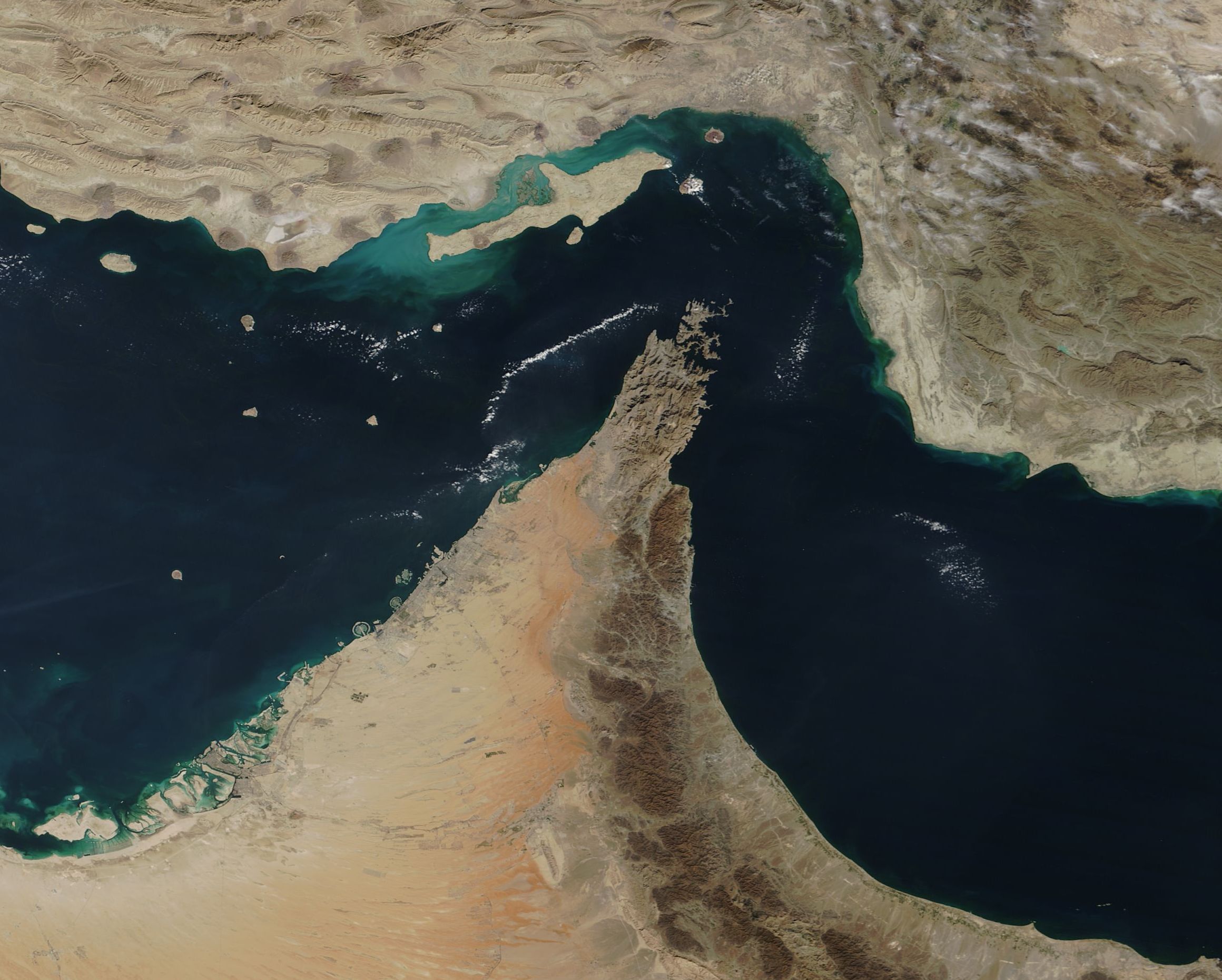
The physical condition of the strait compounds the arithmetic problem. Iran mined the waterway, and according to a New York Times report, it cannot now locate all of the mines it placed there — let alone remove them. That is not a negotiating position or a diplomatic posture. That is an operational reality that persists regardless of whether Tehran issues a ceasefire statement tomorrow. The U.S. military is currently deploying underwater drones specifically to address the mine threat, which tells you everything about how far the waterway is from routine commercial passage.
The US military is preparing to deploy underwater drones to clear Iranian mines from the Strait of Hormuz — one of the world’s most critical oil chokepoints.
This is a high-stakes operation. If the… pic.twitter.com/2t5EaDhwJW
Even setting aside the mine problem entirely, Iran's own stated intentions fall well short of what resolution requires. Senior Iranian sources have indicated to TASS that under any ceasefire framework, Tehran would permit no more than fifteen ships per day through the strait. Fifteen is not sixty. It is not even close to sixty. A negotiated cap that Tehran itself is advertising as a ceiling is not a path to YES — it is a confirmation of NO.
The broader geopolitical frame is no more encouraging. Peace talks have collapsed, and the U.S. Navy has imposed a blockade of Iranian ports. U.S. Energy Secretary Chris Wright stated publicly this week that oil prices will continue rising until meaningful vessel traffic resumes — and he framed that resumption as something expected to take weeks, not days. When the U.S. Energy Secretary is calibrating his timeline in weeks, the idea that the same waterway normalizes within a fortnight deserves serious skepticism.
Secretary Wright also said roughly 150 million… pic.twitter.com/y9rmLPO7Nb
The deepest structural argument against YES, though, is the one that survives even a best-case diplomatic scenario. Observers with skin in this market have noted that even if hostilities ceased today, full traffic recovery would take eight weeks or more. The logistics of reopening a mined, blockaded, internationally disputed chokepoint — rerouting insurance coverage, convincing operators to send vessels, rebuilding port-side capacity — do not compress into a two-week window. The conflict has not ceased. The mines have not been cleared. The blockade is active. April 30 is not a deadline the facts can meet.