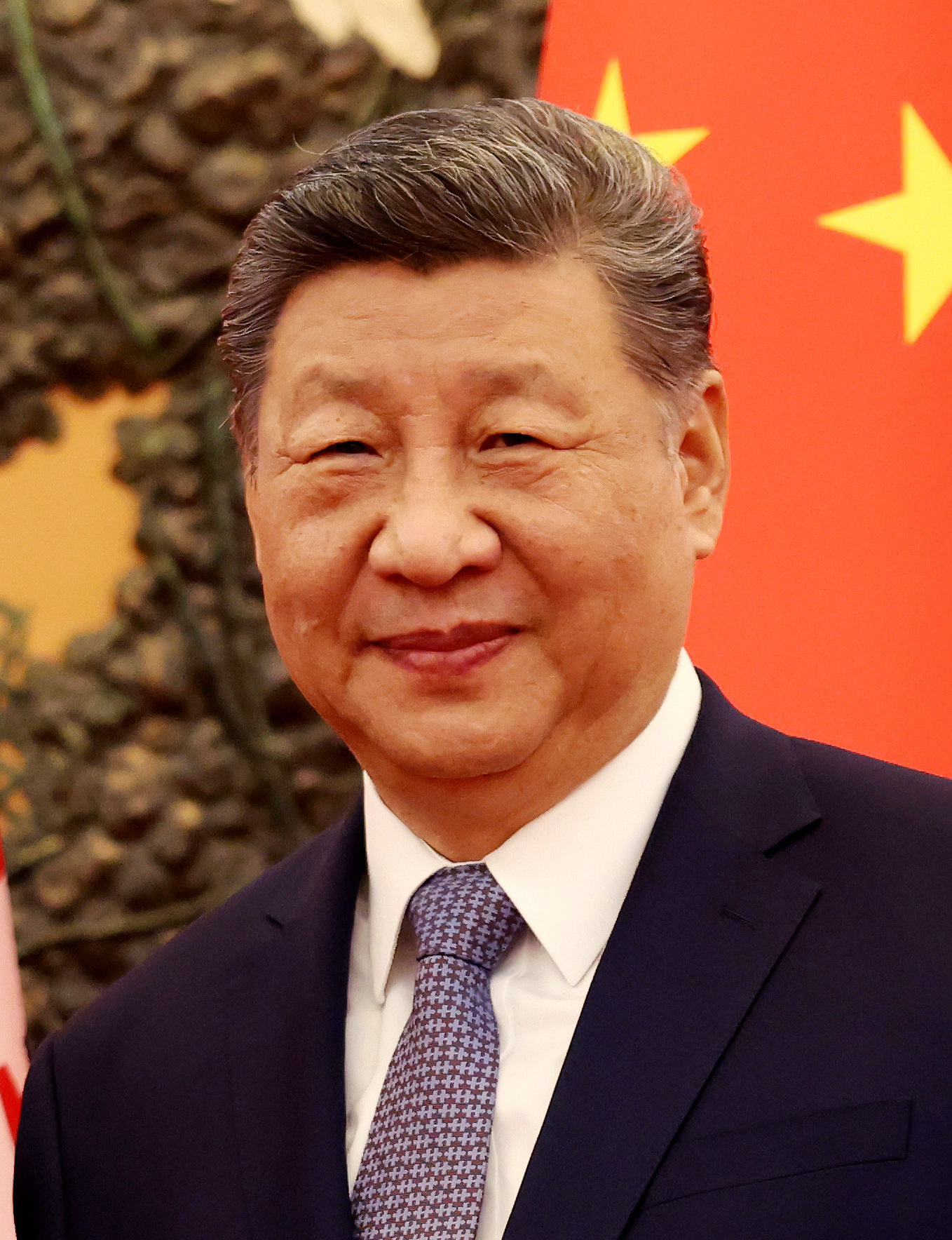
Xi's purges are consolidation, not collapse
On Polymarket: Xi Jinping out before 2027? ↗Seven-percent odds on Xi's removal in under nine months is easy money for the NO side — purges are how autocrats consolidate, not how they fall.
Current view — April 14
The market question resolves in roughly eight months. That compression alone should settle most of the debate, yet the YES side continues to attract attention — fed largely by a wave of news about Politburo purges that is being misread as a sign of Xi's weakness. We think that reading is backwards, and the evidence assembled in this thread makes the NO case more convincingly than many NO holders seem to realize.
Start with the purge wave itself. Three sitting Politburo members removed in under six months is an extraordinary number by any historical standard of CCP politics. Analysts have noted the pace and framed it as exposure — as cracks in Xi's coalition.
Chinese authorities… pic.twitter.com/VJQE21FxcB
We read it differently. The ability to dismiss senior figures at that tempo, across multiple power bases, requires command of the party's internal disciplinary machinery. It is the signature of a leader who has consolidated enough authority to act without negotiating each removal. The targets are losing their positions; Xi is not losing his. Those are different stories, and conflating them is the central analytical error driving whatever residual YES interest remains.
The same logic applies to the PLA purge. Record punishments handed down to senior generals do introduce a genuine long-run uncertainty — a military whose officer corps has been repeatedly humiliated and reshuffled is not an unconditionally reliable instrument. We would not dismiss that dynamic entirely.
But a military institutional crisis taking the specific form of Xi's removal, on a timeline that closes before the new year, requires a chain of events with no visible first link. We are watching a slow-moving structural risk, not an imminent trigger. The Epoch Times — which is not in the business of defending Xi Jinping — put it plainly: his control is weakening, but removal is not near.
Link in thread. pic.twitter.com/yCc2610mLN
Health speculation is a perennial feature of the CCP-watching ecosystem. Rumors about internal meetings, observations about Xi appearing to age quickly, secondhand accounts of him acknowledging a potential transition — these claims circulate on a roughly annual cycle and have never been independently verified.
We do not treat unconfirmed whispers as evidence. When the same rumor has failed to resolve into anything concrete across multiple cycles, the appropriate response is to require harder corroboration before updating.
The most clarifying signal in this entire thread, however, comes from a bettor who is actually holding YES. The position is described not as a probabilistic conviction but as something closer to a vigil — a dollar placed to keep alive a hope rather than to express a view on likely outcomes.
That framing is unusually self-aware, and it tells us something important about the composition of the YES side at this price. When participants on one side of a market are openly acknowledging they are not betting on probability, the question of whether this market is mispriced in a particular direction largely answers itself.