Russia's Easter halt was theater, not truce
On Polymarket: Russia x Ukraine ceasefire by April 30, 2026? ↗With Russia branding its own Easter halt "humanitarian" and rejecting the US 30-day proposal, a qualifying ceasefire before April 30 is a near-statistical impossibility.
Current view — April 14
The Easter weekend came and went, and what Moscow produced was a 30-hour unilateral halt that Kremlin spokesman Dmitry Peskov was careful to describe as "humanitarian in nature." That single qualifier is doing significant work. It hands resolvers the precise language they need to distinguish what happened from a formal ceasefire announcement — and it was not a slip. It was deliberate category management by a government that understands exactly how these declarations get read.
There is a live dispute among market participants about whether the Easter halt qualifies, and we understand the argument on the other side. The official Russian-language statement used the word ceasefire; both heads of state were involved; the mechanism looked superficially similar to the US-Iran announcement that resolved an analogous market. We do not dismiss that case. But the Peskov framing is the decisive obstacle. Resolvers have the interpretive latitude to call this a humanitarian pause, and that framing falls squarely against YES. Layered beneath it is a recognizable diplomatic script: conditional acceptance of any formal proposal, larded with terms Kyiv cannot accept, allowing blame to migrate toward Ukraine while the clock runs out.
Reuters reporting cited by participants in this market indicates that Putin is likely to reject the US-proposed 30-day ceasefire outright, with Russian sources insisting any agreement must account for Russia's battlefield achievements and strategic interests. This is consistent with a pattern of failure that has defined every previous ceasefire attempt in this conflict — and observers tracking it closely are not pretending otherwise.

4/🧵
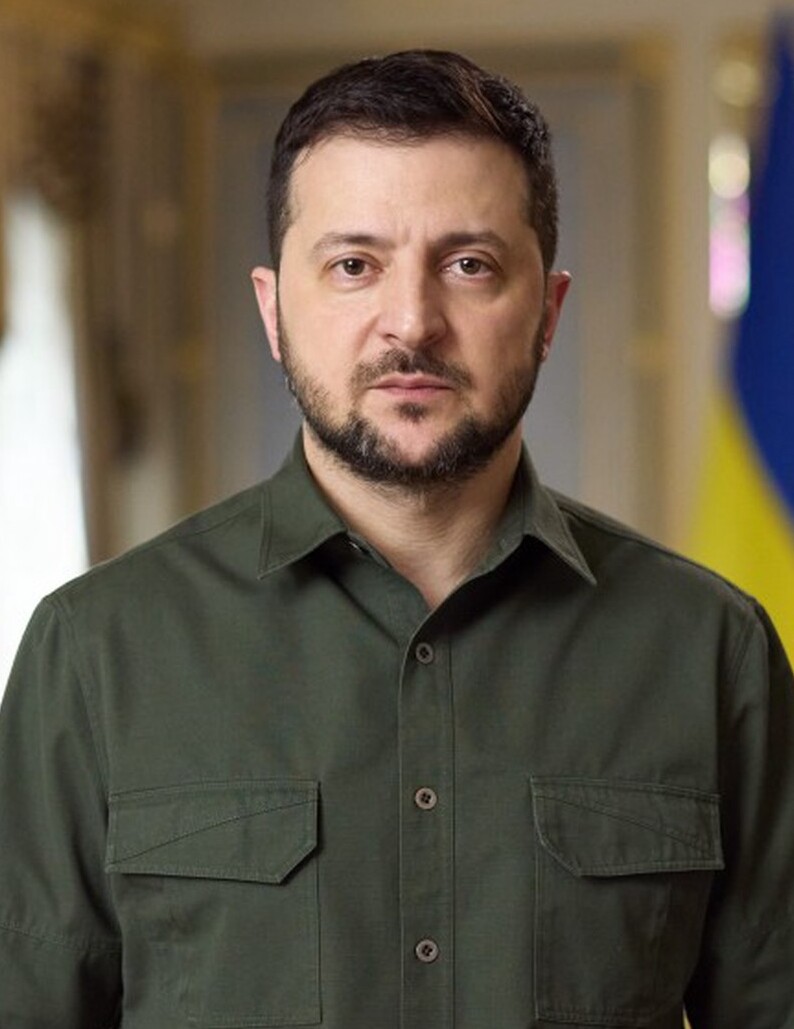
Zelensky kept the Easter proposal alive publicly, passing Kyiv's message through Washington after direct communication with Moscow had apparently stalled. Russia's public response was unambiguous: it was simply not ready. The Kremlin then compounded that position with an explicit dismissal of any brief pause as insufficient, demanding a genuine decision for peace rather than a temporary halt — a framing that paradoxically makes even a narrow qualifying announcement harder to construct before the month ends.
Moscow’s position CLEAR: Ukraine desperately needs ‘ANY truce’
KREMLIN: Make the decision for peace, not a temporary halt pic.twitter.com/MchUvKhRYu
A government publicly disdaining temporary halts is not one assembling the conditions for a formal ceasefire declaration before April 30. Two weeks remain, the front line is contested, and the parties' stated positions are moving away from a common text rather than toward one. The deadline will most likely expire with the question unanswered.